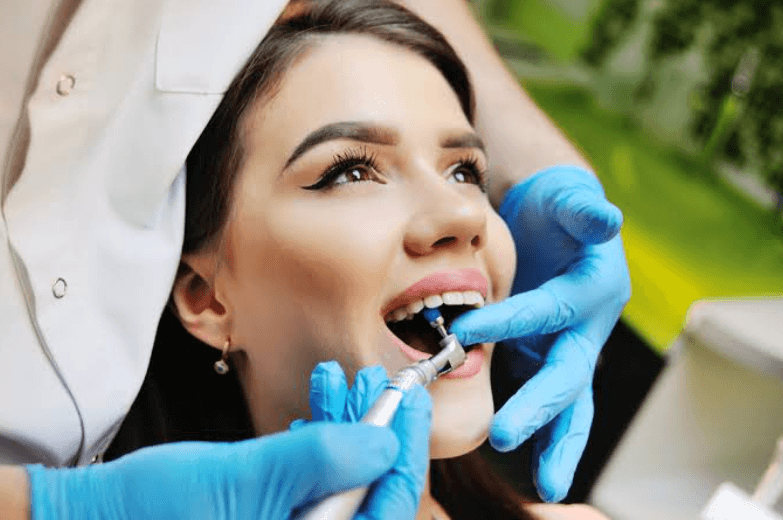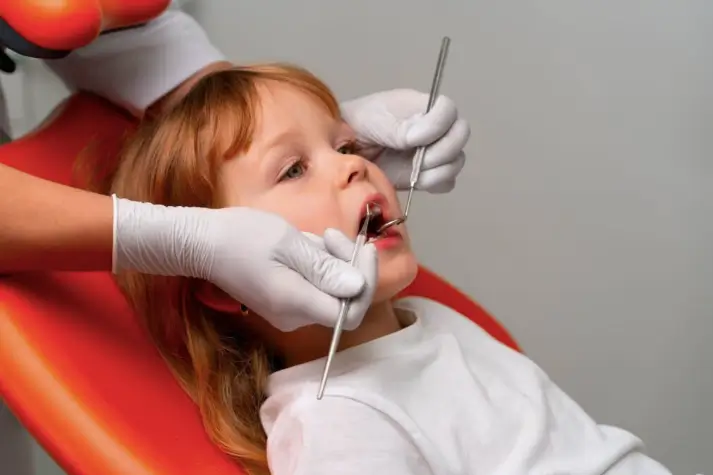
You might be sitting in the dental chair at an established dental practice in Los Alamitos for what you thought would be a simple cleaning, trying to juggle work, family, and everything else, when your general dentist pauses and says they want to “take a closer look.” Your mind jumps ahead. Is something wrong. Is this going to be expensive. Is this serious.end
That moment between hearing there might be a concern and actually knowing what is going on can feel very long. You may replay every time you postponed an appointment or ignored that tiny sore spot in your mouth. At the same time, you do not want to overreact, and you wonder if your dentist is being overly cautious.
This is where a little clarity can bring a lot of calm. There are some clear signs your general dentist may recommend additional screenings, especially for issues like oral cancer or other head and neck problems. When you understand these signs, the whole situation feels less like a sudden crisis and more like a careful safety check meant to protect you.
In simple terms, here is the big picture. Dentists watch for changes in your mouth that do not heal, areas that look or feel different, or patterns in your health and habits that raise concern. When those show up, a smart dentist does not ignore them. They suggest screening or a referral so you can catch any serious condition as early as possible, when treatment is usually simpler and more successful.
So, what are those signs, and what do they really mean for you.
When a “routine” visit stops feeling routine
Think about a normal checkup. A quick look, some X-rays if needed, a cleaning, and then you are out the door. When your general dentist slows down and starts asking more specific questions, it can feel unsettling. You might notice them looking at one spot in your mouth for longer than usual, gently pressing under your tongue, or checking your neck more carefully.
This is not your imagination. It is part of an oral cancer screening that many dentists quietly do during regular exams. If anything seems off, that is often the first sign they may recommend further tests or a visit to a specialist.
Because this can stir up worry, it helps to know the four common signs that move a dentist from “routine check” to “we should investigate this a bit more.”
Sign 1: A sore, patch, or bump that is not healing
One of the strongest reasons your general dentist may suggest extra screening is a spot in your mouth that simply will not go away. This might be:
• A sore that has been there for more than two weeks.
• A white or red patch on your tongue, cheeks, or gums.
• A lump, thickened area, or rough spot that feels new.
Many of these turn out to be minor issues, like irritation from biting your cheek or rubbing from a rough tooth. The problem comes when something lingers. Your mouth usually heals quickly. When it does not, your dentist has to consider more serious causes, including early oral cancer.
If you want to understand what dentists look for, the National Institute of Dental and Craniofacial Research overview of oral cancer signs is a helpful, straightforward resource.
This is where the emotional side comes in. You might feel tempted to say “It is probably nothing” and hope it clears up on its own. Your dentist, on the other hand, has to think, “What if it is not nothing.” That tension is exactly why they may recommend an additional screening, such as a closer visual exam, special light technology, or a referral for a biopsy.
Sign 2: Unexplained pain, numbness, or trouble moving your mouth
Another warning sign is when normal activities like talking, chewing, or swallowing suddenly feel different, and there is no clear reason. Your dentist might become concerned if you mention:
• Ongoing pain in your tongue, jaw, or throat without a clear cause.
• Numbness or a “tingly” feeling in part of your mouth or lips.
• Difficulty moving your tongue or jaw the way you used to.
These symptoms can come from something simple, like grinding your teeth or an infection. Yet they can also signal deeper problems in the nerves or tissues of your mouth. Because your dentist sees you regularly, they are often the first to notice changes over time.
When these symptoms do not match what your dentist sees on a basic exam, that mismatch can trigger the suggestion for additional tests, imaging, or a referral to an oral surgeon or ear, nose, and throat specialist.
Sign 3: A history of risk factors that raises concern
Sometimes the mouth looks normal, but your health history tells a different story. Your general dentist may recommend extra screenings if you have certain risk factors. These can include:
• Current or past tobacco use of any kind.
• Heavy or long term alcohol use.
• A history of human papillomavirus infections.
• Prior head and neck cancers in you or strong family patterns of cancer.
• Significant sun exposure to the lips without protection.
On their own, these do not mean you will get cancer. They do mean your dentist needs to be more watchful. The Centers for Disease Control and Prevention information on oral cancer explains how these risk factors increase the chances of serious disease.
Because of this, your dentist may suggest more frequent exams, a baseline screening now, and additional follow up if anything small changes in the future. It is not about scaring you. It is about not missing the early stages of something that can be treated more easily when caught in time.
Sign 4: Changes your dentist notices in your tissues or lymph nodes
There are also signs you may not feel at all, but your dentist can see or feel during an exam. These are often the quiet reasons behind a recommendation for further screening. Examples include:
• Swollen or firm lymph nodes under your jaw or in your neck.
• Changes in how your tongue, cheeks, or palate look from one visit to the next.
• Areas that bleed easily when touched.
• Loose teeth without gum disease to explain them.
Because your dentist sees the inside of your mouth more often than many medical doctors do, they are in a unique position to notice subtle changes. When those changes do not fit the usual patterns of cavities or gum disease, extra screening becomes the careful next step.
If you want a more technical explanation of what an oral cancer check involves, the National Cancer Institute guide on oral cancer screening walks through the process in patient friendly language.
How do extra screenings compare to “wait and see”
You might wonder whether it is really necessary to go through extra tests. Is it better to move quickly, or to watch and wait. The choice is personal, but understanding the tradeoffs can help you feel more in control.
| Approach | What It Usually Involves | Benefits | Possible Downsides |
| Early additional screening | Referral to a specialist, imaging, or a small biopsy shortly after a concern is noticed | Higher chance of catching serious problems early. More peace of mind if results are normal. Clearer plan if something needs treatment. | Extra appointments and cost. Short term anxiety while waiting for results. Rare false alarms that still require follow up. |
| “Wait and see” monitoring | Rechecking the area at a future visit or after a set time, often 2 to 4 weeks | No immediate extra cost or procedures. Time for minor irritations to heal on their own. | Risk of delay if the problem is serious. Ongoing worry between visits. Harder treatment if a cancer is found later. |
Most general dentists try to balance these options. For a small sore that just appeared, they may suggest a short “watch and see” period. For a spot that has been there for weeks, or in someone with several risk factors, they are more likely to recommend immediate screening.
What can you do right now if your dentist recommends more tests
Hearing the words “additional screening” can make your stomach drop. You do not have to sit in that uncertainty without a plan. There are a few steps you can take that give you some control back.
1. Ask clear, specific questions in the moment
Instead of leaving the office with a vague sense of dread, ask your dentist:
• What exactly did you see or feel that concerns you.
• How long has this change been present, based on your past visits.
• What are the most likely explanations, from most common to least.
• What type of screening or referral are you recommending, and why now.
Having these answers written down, even in your phone notes, can help you process things more calmly later and explain the situation to family or another provider.
2. Keep track of symptoms and changes at home
Whether you move straight to an extra screening or need to wait for an appointment, pay attention to your own experience. Note:
• If a sore gets bigger, smaller, or stays the same.
• Any new pain, numbness, or difficulty swallowing.
• Changes in your speech or how your dentures or teeth fit together.
This kind of simple tracking can give your dentist and any specialist useful information. It also helps you feel less at the mercy of random changes, because you are observing them with purpose.
3. Use the visit as a chance to lower your future risk
Even if your extra screening shows that everything is normal, the experience can be a wake up call. You can ask your general dentist to walk through your personal risk factors and what you can do differently. This might include:
• Getting support to quit tobacco.
• Cutting back on alcohol.
• Using lip balm with sunscreen when outdoors.
• Scheduling regular checkups so changes are caught early.
For many people, this is where a “scary” appointment turns into a turning point. You move from waiting for bad news to actively protecting your oral and overall health.
Moving forward with less fear and more clarity
Hearing that your general dentist wants additional screenings can feel like the moment when everything shifts. Before, you thought it was just a cleaning. After, you are picturing worst case scenarios. That emotional swing is completely human.
Knowing the common signs your dentist may suggest oral cancer screening can soften that shock. Most of the time, these screenings are about ruling out serious problems and giving you peace of mind. When something serious is found, early detection often means more options, shorter treatment, and better outcomes.
You do not have to go through that uncertainty alone. Use your appointments to ask questions, lean on trusted medical and dental professionals, and focus on what you can control today. Paying attention to your mouth, showing up for regular care, and saying yes to reasonable screenings is not overreacting. It is you taking steady, thoughtful care of your future health, one visit at a time.