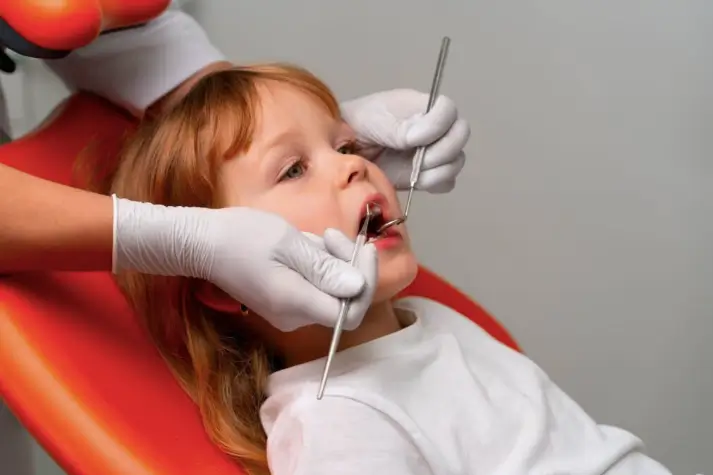
You might be feeling caught in the middle right now. Maybe you started with a pediatric dentist when your first child was tiny, or you’ve been bouncing between different offices for yourself, your partner, and your kids. Every cleaning with a dentist in Tigard, OR can feel like a logistical puzzle. Different doctors. Different policies. Different advice. It is tiring.
At the same time, you want one simple thing. A place where everyone in your household can be seen, where your history is known, and where you are not starting from scratch every time someone has a toothache. Because of this tension, you may be wondering if it is time to move to a family dental practice that can care for all of you under one roof.
Here is the short version. If you are juggling multiple offices, struggling with mixed messages about care, feeling the cost and stress pile up, or noticing that your kids are becoming anxious about the dentist, then a family dentist may be the calmer, more consistent option you have been looking for. The signs are often subtle at first, then they begin to add up.
So, how do you know for sure that you are ready to transition to a family dental practice, and not just having a rough week or two with appointments?
Sign 1: You are tired of running a “mini dental network” for your family
Think about how many places you call when you need appointments. One office for your child. Another for your own care. Maybe a different one for an older parent you are helping. Each has its own hours and rules. Each has its own forms and online portals. Every six months, you repeat the same cycle.
This is more than an inconvenience. It is a mental load. You are tracking who is due for a cleaning, who needs X-rays, who still has an outstanding bill, and who is behind on a follow-up. No one is looking at your household as one unit. You are the glue, and it is exhausting.
When you move to a family dentist, you can usually schedule back-to-back or same-day visits, share information easily, and build a relationship with one team that understands your family’s patterns. If the idea of “one office, one phone call” feels like a relief, that is a strong sign you are ready.
See also: How Tech Shapes Consumer Habits
Sign 2: Your children are aging out of their pediatric dentist, and you feel stuck
Many parents hit a turning point when their child’s pediatric dentist starts talking about “transitioning to an adult provider.” It can feel like being pushed off a familiar ledge. Your child is comfortable with this office. You know the staff. Yet the space is designed for young children, and teenagers often begin to feel out of place.
You may notice your child rolling their eyes at the cartoons on the wall or the toy box, or you may hear that the office will no longer see them after a certain age. At the same time, you know they still need supportive, age-aware care. They are not quite ready to be treated like a full adult patient.
A family dental office naturally bridges this gap. It can feel more mature than a pediatric space, while still being gentle and reassuring. If you are starting to think, “Where do we go next?” as your child grows, that is another clear sign it may be time to change.
Sign 3: You want consistent guidance for your whole household
When different dentists treat different members of your family, it is very easy to receive mixed messages. One office stresses fluoride. Another is more cautious. One says you need sealants. Another says you can wait. You are left trying to sort through professional opinions without the training to do so.
This becomes even more stressful when you are trying to set routines at home. You might be reading about evidence-based oral health tips for children and then hearing something different in the chair. You want to protect your kids’ teeth, but you also do not want to overreact or overspend.
A family practice looks at your household as a whole. The dentist can see shared habits, family history, and risk patterns, then give you one clear plan. If your gut tells you that you need one trusted source, not a patchwork of advice, you are likely ready for that shift.
Sign 4: You are worried about costs and want a clearer financial picture
Dental care can feel unpredictable. A cavity here. A chipped tooth there. A surprise bill that was not fully covered by insurance. When these visits happen at different offices, it is even harder to see what you are actually spending and where you might save.
Many families do not know that there are options such as payment plans, discount programs, or referrals to lower-cost clinics. Centralizing care with one provider makes it easier to have honest conversations about what you can afford and to plan ahead. You can also ask one office to help you prioritize what is urgent and what can wait.
If you are already searching for resources like guides to finding low-cost dental care, that is a sign you are trying to be proactive. A supportive family dentist can be a partner in that process instead of just another bill in the mail.
Sign 5: Dental visits are becoming a source of anxiety for someone in your family
Maybe your child cries every time you mention cleaning. Maybe you notice your partner putting off their own care because of a bad experience years ago. Anxiety around dental visits is common, and when different people see different providers, it is hard to build a shared sense of safety.
A family practice can slowly change that story. When your child sees you sit in the same chair and be cared for by the same team, it normalizes the experience. When your dentist understands your family’s fears, they can adjust how they talk, how much they explain, and how they pace treatment.
If you are starting to dread appointments or notice your loved ones withdrawing, that is a powerful sign that continuity of care could help.
Sign 6: You want prevention, not constant “damage control”
It is easy to fall into a pattern where dental care only happens when something hurts. A broken filling. A throbbing molar. A child who suddenly wakes up crying at night. When you are scattered across multiple offices, you are more likely to be reactive, not preventive.
Research continues to show that regular, consistent care reduces the risk of serious dental problems over time. For example, a recent overview on oral health and systemic health highlights how ongoing preventive care can influence your overall well-being, not just your teeth.
If you are tired of emergency visits and want a more stable rhythm, a single-family dentist can set a schedule for cleanings, checkups, and simple treatments before they become major procedures.
How does a family dentist compare to juggling multiple providers
To make this more concrete, it can help to see how staying with separate pediatric and adult providers compares to transitioning to a single family dental practice.
| Factor | Separate Pediatric & Adult Offices | One Family Dental Practice |
|---|---|---|
| Scheduling | Multiple calls, different days and times | Group or back-to-back appointments for the household |
| Medical & Dental History | Scattered across offices, harder to see patterns | Centralized records, clearer view of family trends |
| Communication | Different styles and recommendations | One team, consistent guidance for everyone |
| Child to Teen Transition | Child must “start over” with a new dentist | Smooth shift from child to teen to adult in the same office |
| Cost Planning | Harder to track yearly spending and plan ahead | Easier to review total costs and arrange payment options |
| Anxiety & Comfort | Each person coping on their own with different providers | Shared trust with one team, children see parents model calm |
If the right column sounds closer to the kind of support you want, that is another sign you are ready for a change.
Three practical steps to move toward a family dental practice
1. Take stock of your current pain points
Before you switch, spend a few minutes listing what is hardest about your current setup. Is it scheduling? Costs. Anxiety. Mixed advice. This does two things. It validates that what you are feeling is real, and it gives you a checklist to use when you speak with potential family dentists. You are not just “shopping around.” You are looking for specific relief.
2. Ask targeted questions when you call new offices
When you contact a potential family practice, ask how they handle multiple age groups, how they schedule families, what their approach is to preventive care, and how they work with patients who are nervous or on a tight budget. You can even mention that you are trying to move from crisis care to more stable, preventive care, and watch how they respond. A good fit will not rush you. They will walk you through what to expect.
3. Plan a “test run” visit before moving everyone
You do not need to move the entire household at once. You can start with one person. For example, you might schedule your own cleaning first at the new office. Notice how you are treated, how clearly things are explained, and how you feel when you walk out. If that experience feels safe and respectful, you can then bring your children or partner, one step at a time.
Where does this leave you
If you recognize yourself in these signs, it is not a failure of planning or willpower. Modern life makes it very easy for care to become scattered and reactive. Wanting one trusted family dental practice is not about being “high maintenance.” It is about wanting clarity, calm, and continuity for the people you love.
You are allowed to look for a family dentist who knows your names, remembers your stories, and grows with your children. You are allowed to ask questions, to compare options, and to move on from an arrangement that no longer serves you.
The next right step is small. Choose one concern that bothers you most right now, whether it is cost, anxiety, or constant scheduling headaches, and start a conversation with a family dental office about that one thing. Change often starts with a single honest question and a provider who is willing to listen.