Barrier cream is a skin protection product that forms a waterproof layer between your skin and moisture, friction, or irritants. Because of this, it’s widely used in continence care to prevent redness, soreness, and skin breakdown caused by prolonged exposure to urine or faeces.
We at Ontex Healthcare work with Australians every day who need reliable skin protection for continence care. Over the years, we’ve tested plenty of barrier creams and seen firsthand what actually helps.
So in this guide, we’re sharing what we’ve learned. You’ll find out how barrier cream works, which ingredients to look for, and how to choose the right formula for your skin type. We’ll also cover proper application and where to find quality options in Australia.
What Is Barrier Cream and How Does It Support Your Skin Barrier?
Barrier cream is a protective skincare product that shields your skin from moisture, irritants, and friction damage. It forms a waterproof layer on the skin’s surface, preventing urine, faeces, and sweat from reaching the deeper layers where damage occurs.
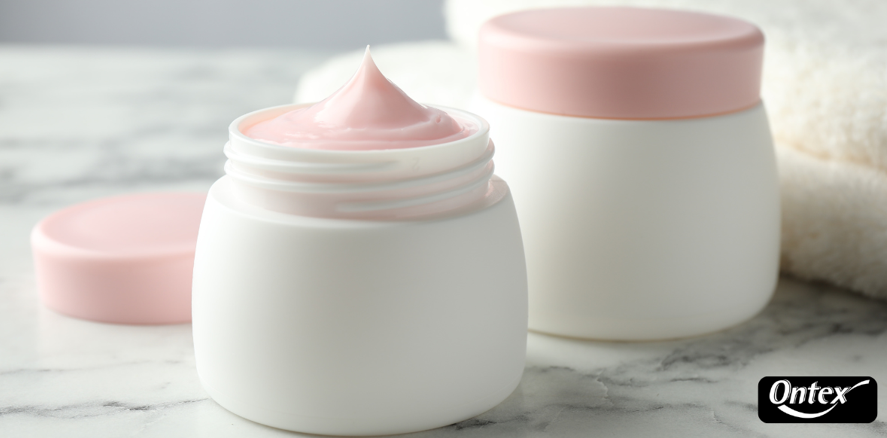
Think of it this way: Your skin barrier is your body’s first line of defence against infection and irritation. The outermost layer of skin, known as the stratum corneum, keeps moisture in and blocks harmful substances from getting through. But when this protective barrier weakens, your skin loses hydration faster and reacts more easily to irritation.
That’s where barrier cream helps. It strengthens your natural defence by adding an extra layer of protection on top. The cream seals in moisture while blocking external aggressors from breaking through.
Over time, regular use helps maintain healthy skin and reduces redness, dryness, and discomfort.
Why Your Skin Needs Barrier Cream for Continence Care
Did you know that up to 50% of people using incontinence products experience skin problems at some point during their care journey?
There’s no way around this, because when your skin sits in contact with moisture for too long, it starts to break down. And once that process begins, the damage builds quickly.
Here’s what prolonged wetness can lead to:
- Redness and Irritation: Urine and faeces contain enzymes and ammonia that attack the skin barrier, and this causes redness, stinging, and soreness that worsens with every exposure.
- Friction Injuries: Wet skin rubs against pads and clothing more easily, which leads to painful chafing and even small tears in the skin’s surface over time.
- Incontinence-associated Dermatitis: Without proper protection, the skin can develop this painful inflammatory condition (that’s a risk no carer wants to take).
Barrier cream prevents all of this by creating a protective shield that blocks moisture and reduces friction before damage starts.
Who Benefits Most: Dry Skin, Oily Skin, and Sensitive Skin
Now, let’s look at who benefits most from using barrier cream. The good news is there’s a formula for every skin type, so finding one that suits your needs is easier than you might think.

Dry Skin
Dry skin struggles to hold onto moisture, and this problem gets worse with age (around 60% of older adults have some form of dry skin).
A barrier cream with hydrating ingredients like ceramides or shea butter locks in hydration and stops further moisture loss. This keeps the skin soft, smooth, and less prone to cracking.
Oily Skin
If your skin already produces excess oil, you might worry that barrier cream will feel greasy or clog your pores. But lighter formulas absorb quickly without leaving a heavy residue, so you still get full protection while your skin breathes comfortably.
Sensitive Skin
Sensitive skin reacts easily to fragrances, dyes, and harsh chemicals. That’s why fragrance-free barrier creams work best here, as they provide gentle protection without triggering redness or irritation.
Once that’s clear, the next step is knowing what goes into a good barrier repair cream.
See also: The Science Behind Virtual Environments
Active Ingredients in Quality Barrier Repair Creams
The most effective formulas contain zinc oxide, dimethicone, or petrolatum as their primary protective ingredients. For your better understanding, let’s look at a quick breakdown of what each one does:
| Ingredient | What It Does |
| Zinc oxide | Creates a physical barrier on the skin, soothes irritated skin, and offers mild antiseptic protection |
| Dimethicone | Repels moisture while letting the skin breathe, absorbs quickly without a greasy feel |
| Petrolatum and lanolin | Deeply hydrating, forms a long-lasting seal against wetness and friction |
| Ceramides | Strengthen the skin barrier by restoring lost fatty acids in the stratum corneum |
| Shea butter and vitamin E | Nourishing ingredients that soften skin and support repair over time |
We’ve tested quite a few barrier creams over the years, and the ones with ceramides and zinc oxide tend to perform best for people managing incontinence. They provide soothing, hydrating protection that lasts for several hours without feeling heavy on the skin.
Choosing the Best Barrier Repair Creams in Australia
With so many barrier creams on pharmacy shelves, how do you know which one actually does what it promises?
Frankly, it comes down to a few things. First, look for products that are TGA-listed, as this means they meet Australian safety and quality standards. You’ll also want to check the ingredients list for proven actives like zinc oxide, ceramides, or dimethicone, since these give you reliable protection without unnecessary additives.
After helping customers find the right fit, we know that pharmacy brands like La Roche Posay Cicaplast work well for general skincare needs. But if you’re managing incontinence, a specialised barrier cream designed for continence care offers more targeted protection.
These formulas tend to be thicker, longer-lasting, and better suited to handling repeated moisture exposure throughout the day.
How to Apply Barrier Cream on Compromised Skin
Now that you know what to look for, here’s how to apply barrier cream properly for the best results.
- Clean the Area First: Use pH-balanced wipes or warm water to gently remove any residue from the skin, and pat dry thoroughly before applying anything.
- Apply a Thin, Even Layer: Spread the barrier cream across all at-risk areas, paying extra attention to skin folds and creases where moisture collects (trust us, a little goes a long way).
- Reapply Regularly: Change your pad and reapply barrier cream at least three to four times daily, or after every episode of incontinence, to maintain continuous protection.
Following these steps helps keep compromised skin comfortable and protected throughout the day.
A Little Care Goes a Long Way
Barrier cream does one job well, and it does it quietly in the background while you get on with your day. It keeps moisture out, reduces friction, and gives your skin the breathing room it needs to stay comfortable.
If soreness or redness has been wearing you down, a good barrier cream can turn things around. Many Australians we’ve worked with at Ontex Healthcare have told us the same thing: once they found the right product, daily care became far less stressful.
Disclaimer
This blog provides general health and product information for educational purposes only. It is not intended to diagnose, treat, or replace advice from your healthcare professional. Always seek guidance from your GP, nurse, continence advisor, or pharmacist regarding your individual needs. If symptoms persist or you’re unsure about product use, consult a qualified healthcare provider.