Air quality management has become increasingly important in industries where environmental conditions directly impact product quality and operational efficiency. One of the most critical yet often overlooked contaminants is ethylene gas. This naturally occurring compound can accelerate chemical and biological processes, leading to rapid degradation of sensitive materials. To address this challenge, advanced solutions like an Ethylene Scrubber are widely used in controlled environments.
Ethylene is particularly problematic in enclosed spaces because it accumulates over time and continues to influence surrounding materials. Even at low concentrations, it can trigger unwanted reactions that compromise product stability. This makes it essential to implement systems that can effectively remove ethylene and maintain clean air conditions.
An ethylene scrubber is specifically designed to eliminate ethylene gas from the air, ensuring a controlled environment that supports long-term preservation and consistent performance. These systems are used across various industries where maintaining air purity is critical.
What Problems Does Ethylene Cause in Industrial and Storage Environments
Accelerated Degradation of Materials
Ethylene gas acts as a catalyst that accelerates the breakdown of materials. In storage environments, this leads to faster deterioration, reducing the shelf life and quality of stored goods. This can result in significant losses, especially in industries that depend on long-term storage.
The presence of ethylene also affects non-organic materials by contributing to chemical instability. This makes it essential to control ethylene levels to maintain product integrity and prevent unnecessary degradation.
Air Contamination and Operational Challenges
Ethylene contributes to overall air contamination by interacting with other gases and compounds. These interactions can create additional pollutants that further degrade air quality. In controlled environments, such contamination can disrupt processes and reduce efficiency.
Uncontrolled air conditions can also impact equipment performance. Sensitive systems may be affected by chemical exposure, leading to increased maintenance requirements and reduced reliability. Effective air purification is therefore essential for maintaining operational stability.
How Ethylene Scrubbers Work
Adsorption and Filtration Mechanism
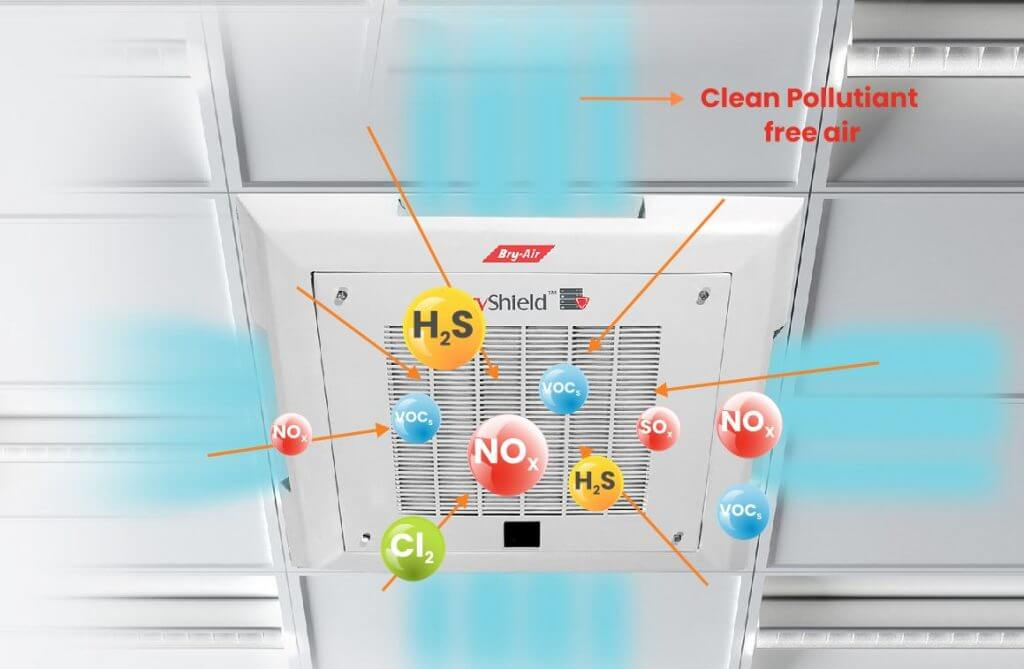
Ethylene scrubbers use advanced adsorption technology to remove ethylene from the air. The system passes contaminated air through specialized filtration media that captures and neutralizes ethylene molecules. This process ensures that the air released back into the environment is clean and free from harmful gases.
The efficiency of the scrubber depends on the design of the filtration system and the quality of the media used. Incorporating advanced solutions such as a Honeycomb Air Filter enhances the surface area for adsorption, improving the overall effectiveness of the system.
Continuous Air Purification
Ethylene scrubbers are designed for continuous operation, ensuring that air quality remains consistent over time. These systems can handle large volumes of air, making them suitable for industrial and commercial applications.
Continuous purification is essential in environments where even minor fluctuations in air quality can have significant consequences. Reliable systems ensure that ethylene levels are consistently controlled, preventing potential issues.
Benefits of Using an Ethylene Scrubber
Extended Product Life and Preservation
One of the primary benefits of using an ethylene scrubber is the ability to extend the lifespan of products. By removing ethylene from the air, these systems help slow down degradation processes and maintain product quality for longer periods.
This is particularly important for industries that rely on storage and preservation. Controlled environments ensure that products remain in optimal condition, reducing waste and improving efficiency.
Improved Air Quality and Environmental Stability
Ethylene scrubbers contribute to cleaner air by eliminating harmful gases and reducing contamination. This creates a stable environment that supports both product integrity and operational efficiency.
Improved air quality also enhances safety and helps facilities meet regulatory standards. Maintaining a clean atmosphere is essential for ensuring compliance and protecting both equipment and processes.
Enhanced Operational Efficiency
Maintaining controlled air conditions leads to more efficient operations. Equipment performs better, and processes run smoothly without interruptions caused by contamination. This results in increased productivity and reduced downtime.
Efficient air management also minimizes the need for corrective actions, allowing businesses to focus on their core activities and achieve better results.
Applications of Ethylene Scrubbers Across Industries
Storage and Preservation Facilities
Ethylene scrubbers are widely used in storage environments where maintaining product quality is essential. These systems help prevent premature degradation and ensure that goods remain fresh and usable for extended periods.
Controlled air conditions support efficient storage practices and improve overall inventory management.
Industrial and Manufacturing Sectors
In industrial environments, ethylene scrubbers help maintain clean air conditions that support efficient production processes. Removing harmful gases ensures that operations remain stable and equipment is protected from contamination.
This is particularly important in industries where precision and consistency are critical.
Laboratories and Controlled Environments
Laboratories and research facilities require strict environmental control to ensure accurate results. Ethylene scrubbers help maintain a stable atmosphere by removing contaminants that could interfere with sensitive processes.
Clean air is essential for maintaining the integrity of experiments and ensuring reliable outcomes.
Key Considerations When Choosing an Ethylene Scrubber
Type of Filtration Media
The effectiveness of an ethylene scrubber depends largely on the type of filtration media used. High-quality media ensures efficient removal of ethylene and other contaminants.
Selecting the right media is essential for achieving optimal performance and maintaining consistent air quality.
System Capacity and Design
The capacity of the system should match the requirements of the facility. Larger spaces require high-capacity systems that can handle significant air volumes, while smaller environments may benefit from compact solutions.
Proper system design ensures uniform air purification and prevents localized contamination issues.
Maintenance and Longevity
Regular maintenance is essential for ensuring the continued effectiveness of an ethylene scrubber. Over time, filtration media may become saturated and require replacement.
Choosing a system that is easy to maintain helps reduce downtime and ensures continuous operation. Durable systems provide long-term reliability and cost efficiency.
Conclusion
An ethylene scrubber is a critical solution for maintaining air quality and extending product life in controlled environments. By removing ethylene gas from the air, these systems help prevent degradation, improve environmental stability, and enhance operational efficiency. Advanced filtration technologies ensure reliable performance and long-term benefits, making them an essential investment for industries that require precise air control.
As industries continue to demand higher standards of quality and efficiency, the importance of effective air purification becomes increasingly clear. Implementing a robust ethylene scrubber ensures that facilities can maintain stable conditions and achieve consistent results.
For organizations looking to improve their air quality management systems and protect their products, selecting the right solution is essential. To explore suitable options and receive expert assistance, visit the Contact Us page and connect with professionals who can guide you in choosing the most effective system for your needs.