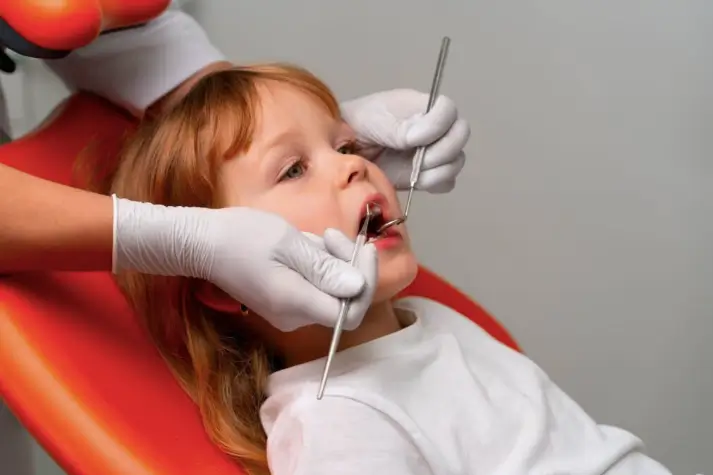
A preventive visit with a family dentist protects your mouth before problems grow. During this visit, you get a careful check of your teeth, gums, and mouth. You also get simple steps you can use at home. A Joliet dentist looks for early signs of decay, infection, or disease. Early care often means less pain, less time in the chair, and lower cost. You can expect three main parts. First, a review of your health and daily habits. Second, a full exam and cleaning. Third, clear advice that fits your life. You may feel uneasy about what a dentist might find. That feeling is common. The visit exists to help you regain control, not to judge you. This guide walks you through what happens from the moment you sit down to the moment you leave, so you feel prepared and steady.
Checking in and sharing your story
Your visit often starts at the front desk. Staff may ask you to update your contact details and insurance. You may fill out forms about your health. These questions matter.
- Current medicines
- Past surgeries or long-term health problems
- Pregnancy or nursing
- Smoking, vaping, or tobacco use
- Sports, night grinding, or jaw pain
You may feel tempted to skip hard details. Do not. Honest answers help your dentist spot hidden risks. The Centers for Disease Control and Prevention links mouth health to heart disease, diabetes, and other problems. Your story gives clues long before pain starts.
Talking through your goals and fears
Next, you sit down with your dentist or hygienist. You talk about your mouth in plain words. You can share three things.
- What hurts or feels strange
- What you want to change or fix
- What scares you about treatment
You might worry about shots. You might fear cost. You might feel shame about past neglect. Say it out loud. A good family dentist listens without blame. Clear talk shapes every step of your visit.
Dental X rays when needed
Your dentist may suggest X-rays. These pictures show what eyes cannot see. They help find decay between teeth, bone loss, infection, or hidden teeth. The process is quick.
- A small sensor or film rests in your mouth
- The staff steps aside and presses a button
- You hold still for a few seconds
Radiation from modern dental X-rays is low. You often wear a shield over your chest and neck. The National Institute of Dental and Craniofacial Research stresses early detection as a key step to preventing decay from spreading. X-rays are one tool that makes this possible.
The full mouth exam
After X-rays, you get a hands-on exam. Your dentist checks more than just teeth.
- Teeth for soft spots, chips, or worn edges
- Gums for swelling, redness, or bleeding
- Tongue, cheeks, and roof of mouth for sores or patches
- Jaw movement and bite
Your dentist may use a small probe to measure gum pockets. Numbers help track gum health over time. You might hear the team call out these numbers. Higher numbers can point to gum disease. Quick notes during the exam build a record so changes stand out at your next visit.
The cleaning step by step
The cleaning removes plaque and tartar that brushing and flossing miss. It often includes three steps.
- Scaling. The hygienist uses hand tools or an ultrasonic tool to remove hard buildup
- Polishing. A rotating cup with a special paste smooths tooth surfaces
- Flossing. The hygienist flosses between each tooth and rinses your mouth
You may feel scraping or pressure. You should not feel sharp pain. If you do, speak up. Numbing gel or breaks can help. Clean teeth give a fresh start and make home care easier.
Fluoride and sealants for extra shield
For many children and some adults, the dentist may suggest fluoride treatment or sealants.
- Fluoride. A foam, gel, or varnish is brushed on teeth to strengthen enamel
- Sealants. A thin coating placed in the grooves of back teeth to block decay
These steps take only a few minutes. They can cut the risk of cavities. Your dentist explains if these match your needs or your child’s needs.
Comparison of common visit types
| Visit type | Main purpose | How often | What usually happens |
|---|---|---|---|
| Preventive visit | Stop problems before they start | Every 6 to 12 months | Exam, X-rays if needed, cleaning, fluoride or sealants, home care plan |
| Problem visit | Relieve pain or fix a concern | As needed | Focused exam, tests, treatment plan for one issue |
| Follow up visit | Check healing or treatment results | Set by dentist | Short exam, X-rays if needed, review of symptoms |
What your dentist may tell you after the exam
Once the exam and cleaning end, you sit up and talk through findings. This review should be clear and simple. It often covers three points.
- What looks healthy and strong
- What needs closer watch
- What needs treatment now
Your dentist may show you pictures or X-rays. You can ask about choices, costs, and timing. You have the right to understand every step before you agree to it.
Building a home care plan that works
The visit closes with a plan you can use at home. It should match your daily life, not an ideal schedule that no one can keep. A simple plan often includes three habits.
- Brush twice a day with fluoride toothpaste
- Clean between teeth once a day with floss or brushes
- Limit sugary drinks and snacks
Your dentist may suggest a mouth rinse, a night guard for grinding, or a change in brushing tools. You can ask for written steps. You can also ask your child to see and hear the same advice so the whole family understands.
See also: POS Terminal: Enhancing Business Efficiency and Customer Experience
How to prepare for your next preventive visit
You can make your next visit smoother with a short checklist.
- Write down medicines and doses
- List questions or worries
- Bring your insurance card and photo ID
- Arrive early to handle forms
- Tell the office if you have special needs or require language help
Regular preventive visits turn fear into control. Each visit catches small changes before they cause harm. Each visit also gives you tools to protect your mouth at home. You and your family deserve calm, steady care that respects your time, your money, and your health.