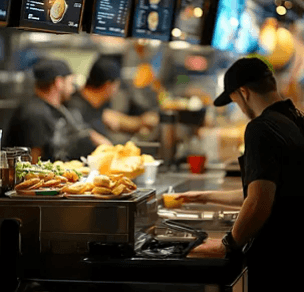
The food and restaurant industry has experienced major changes through digital technology, food delivery platforms, and changing consumer habits. One of the fastest-growing business models in this transformation is the cloud kitchen, which allows food businesses to operate delivery-focused kitchens without traditional dine-in restaurant spaces.
Cloud kitchens help restaurants, food startups, and entrepreneurs reduce operational costs while expanding delivery services and online food sales. As demand for convenience and food delivery continues increasing, cloud kitchen models are becoming an important part of the modern food industry.
What Is a Cloud Kitchen?
A cloud kitchen is a professional food preparation facility designed primarily for online food delivery and takeaway services.
Cloud kitchens are also known as:
- Ghost kitchens
- Virtual kitchens
- Delivery-only kitchens
- Shared commercial kitchens
Today, many food businesses use professional cloud kitchen facilities to launch or expand food delivery operations efficiently.
Why Cloud Kitchens Are Growing in Popularity
Modern consumers increasingly rely on food delivery apps and online ordering services.
Growth of Food Delivery Platforms
Mobile apps and online ordering systems have increased demand for delivery-focused food businesses.
Lower Operating Costs
Cloud kitchens reduce expenses related to dining space, front-of-house staffing, and restaurant décor.
Faster Business Expansion
Food brands can launch new delivery locations more quickly using shared kitchen facilities.
Flexible Business Models
Entrepreneurs can test new food concepts with lower financial risk.
Benefits of Cloud Kitchen Operations
Cloud kitchens offer several advantages for restaurants and food startups.
Reduced Startup Investment
Businesses can avoid the high costs of traditional restaurant leases and dining areas.
Delivery-Focused Efficiency
Kitchen layouts are optimized specifically for online order preparation and logistics.
Shared Infrastructure
Many cloud kitchen facilities provide shared equipment, utilities, and operational support.
Scalability and Flexibility
Brands can expand delivery coverage or launch multiple food concepts more easily.
Why Food Businesses Choose Cloud Kitchens
Restaurants increasingly use cloud kitchen models to improve operational flexibility and delivery performance.
Expansion Into New Markets
Brands can enter additional locations without opening full-service restaurants.
Multi-Brand Opportunities
Businesses can operate several virtual restaurant brands from one kitchen location.
Better Focus on Online Sales
Cloud kitchens are designed specifically for delivery operations and digital ordering systems.
Common Types of Cloud Kitchen Models
Different business models support varying operational needs and food delivery strategies.
Shared Kitchen Facilities
Multiple food businesses operate within a shared commercial kitchen space.
Dedicated Brand Kitchens
Single brands operate delivery-only kitchens independently.
Multi-Brand Virtual Kitchens
One operator may manage several delivery brands from the same facility.
Hybrid Restaurant Models
Some restaurants combine dine-in operations with cloud kitchen delivery services.
How Technology Is Transforming Cloud Kitchens
Technology plays a central role in modern food delivery and kitchen operations.
Online Food Ordering Platforms
Delivery apps connect restaurants directly with customers.
Kitchen Management Systems
Digital tools improve order processing, inventory management, and workflow efficiency.
Delivery Logistics Technology
Tracking systems help improve delivery speed and customer communication.
Data Analytics and Customer Insights
Businesses use customer data to optimize menus and marketing strategies.
Importance of Food Quality and Efficiency
Delivery-focused operations must maintain strong food quality and operational consistency.
Fast Order Preparation
Efficient workflows help maintain delivery speed and customer satisfaction.
Packaging and Presentation
Proper packaging supports food quality during transport.
Hygiene and Safety Standards
Cloud kitchens must maintain professional food safety and cleanliness practices.
Future Trends in Cloud Kitchen Businesses
The food industry continues evolving through digital transformation and changing customer behavior.
Growth of Delivery-First Brands
More businesses are launching exclusively online restaurant concepts.
Increased Automation
Kitchen automation and AI may improve operational efficiency.
Expansion of Shared Kitchen Networks
Cloud kitchen facilities continue growing in major urban markets worldwide.
See also: How Does an Ethylene Scrubber Improve Air Quality and Extend Product Life in Controlled Environments
Why Choosing the Right Cloud Kitchen Matters
A professional cloud kitchen offers more than cooking space alone. It provides operational efficiency, delivery support, shared infrastructure, and scalable business opportunities that help food brands grow successfully.
As online food delivery and digital ordering continue expanding, cloud kitchen solutions are becoming increasingly important for modern restaurant operations and food entrepreneurship.
FAQs
What is a cloud kitchen?
A cloud kitchen is a delivery-focused commercial kitchen designed for online food orders and takeaway services.
Why are cloud kitchens popular?
Cloud kitchens reduce operating costs, support food delivery growth, and provide flexible restaurant expansion opportunities.
Can multiple brands operate in one cloud kitchen?
Yes, many cloud kitchens support multiple restaurant brands within shared kitchen facilities.
Conclusion
Cloud kitchens are transforming the food industry by helping restaurants and food entrepreneurs operate more efficiently within the growing online delivery market. Cloud kitchen facilities provide flexible, delivery-focused solutions that reduce startup costs, improve scalability, and support digital food business growth. From shared kitchen facilities and virtual restaurant brands to delivery logistics and technology integration, cloud kitchens are reshaping how modern food businesses operate.
As food delivery and digital ordering continue expanding globally, cloud kitchen models are becoming increasingly important for supporting innovation, convenience, and operational efficiency in the restaurant industry.