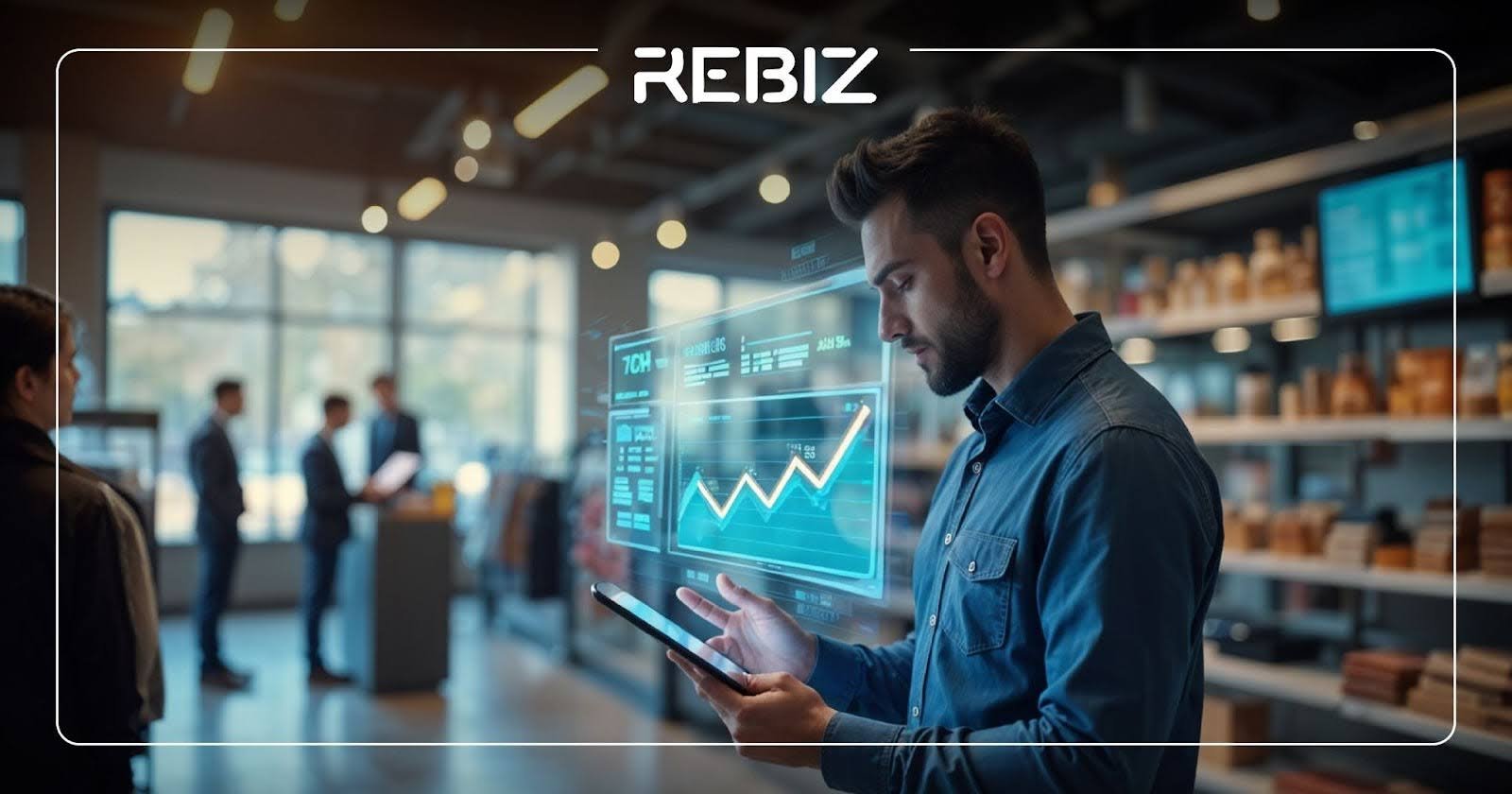
In today’s competitive retail environment, sales figures alone no longer provide a complete picture of business performance. While revenue remains important, understanding why customers buy or don’t buy is where real growth opportunities lie. This is where a traffic counter, when integrated with retail analytics software, transforms raw footfall data into actionable insights that go far beyond sales numbers.
By combining customer movement data with advanced analytics, retailers can make smarter decisions, improve store efficiency, and optimize customer experiences.
The Limitations of Sales-Only Retail Analysis
Relying solely on sales data leaves major gaps in understanding customer behavior. Sales reports can tell you what was sold, but not:
- How many customers entered the store
- How many walked away without buying
- Which days or hours had high traffic but low conversions
- Whether staff levels matched customer demand
Without these insights, retailers risk making decisions based on incomplete data. This is where a traffic counter fills the missing link by providing visibility into customer footfall patterns that sales data alone cannot reveal.
What Is a Traffic Counter and How Does It Work?
A traffic counter is a smart retail technology that tracks the number of people entering, exiting, or moving within a store. Using sensors, cameras, or AI-powered systems, it accurately records foot traffic while maintaining customer privacy.
When this data feeds into retail analytics software, it becomes a powerful tool for understanding customer flow, peak hours, and engagement levels across different store zones.
How Traffic Counter Data Enhances Retail Analytics Software
1. Accurate Conversion Rate Analysis
One of the most valuable insights retailers gain is the conversion rate. By comparing sales transactions with traffic counter data, retail analytics software can show how many visitors actually make a purchase. This helps identify:
- High-traffic, low-conversion periods
- Product placement issues
- Pricing or promotion gaps
2. Improved Store Layout Optimization
Traffic counters reveal how customers move through a store. When integrated with retail analytics software, this data highlights:
- Popular and underperforming areas
- Bottlenecks and congestion points
- Missed merchandising opportunities
Retailers can use these insights to redesign layouts, reposition products, and improve overall store flow.
3. Smarter Staff Planning
Staffing based purely on sales can lead to overstaffing during slow hours or understaffing during busy periods. A traffic counter provides accurate footfall trends, allowing retail analytics software to:
- Align staffing with customer demand
- Improve service quality during peak times
- Reduce labor costs without compromising experience
Turning Footfall Data into Actionable Insights
Raw traffic numbers alone are not enough. The real value comes when retail analytics software analyzes traffic counter data alongside sales, promotions, and inventory metrics. This combined view enables retailers to:
- Measure campaign effectiveness by tracking traffic spikes
- Understand seasonal and daily shopping patterns
- Compare store performance across multiple locations
For example, a promotion that increases footfall but not sales indicates messaging or pricing issues—an insight impossible to gain from sales data alone.
Enhancing Customer Experience Through Traffic Insights
Customer experience is a major differentiator in modern retail. Traffic counter insights help retailers:
- Reduce wait times by identifying peak hours
- Improve product accessibility
- Create smoother in-store journeys
When retail analytics software uses traffic data to predict customer behavior, retailers can proactively address pain points and create more engaging shopping environments.
The Role of Traffic Counters in Omnichannel Retail
In an omnichannel world, physical stores must work seamlessly with digital channels. Traffic counter data bridges the gap between online and offline analytics. Integrated with retail analytics software, it helps retailers:
- Measure the impact of online campaigns on in-store visits
- Track click-to-store behavior
- Align digital marketing strategies with physical store performance
This holistic view allows retailers to make data-driven decisions across all customer touchpoints.
Future-Proofing Retail with Data-Driven Insights
As retail becomes more data-centric, the combination of a traffic counter and retail analytics software is no longer optional—it’s essential. Retailers that leverage these tools gain:
- Deeper customer understanding
- Operational efficiency
- Competitive advantage in rapidly changing markets
Conclusion
Moving beyond sales numbers is critical for sustainable retail growth. A traffic counter, when integrated with robust retail analytics software, unlocks insights that sales data alone cannot provide. From improving conversion rates and store layouts to enhancing customer experience and staffing efficiency, traffic-driven analytics empower retailers to make smarter, faster, and more confident decisions.
By focusing on customer behavior—not just transactions—retailers can build stores that perform better today and adapt more effectively for tomorrow.
FAQs
1. Why is a traffic counter important in retail analytics?
A traffic counter provides footfall data that helps retailers understand customer behavior, calculate conversion rates, and identify performance gaps that sales data alone cannot reveal.
2. How does retail analytics software use traffic counter data?
Retail analytics software analyzes traffic data alongside sales, staffing, and promotions to generate actionable insights for better decision-making.
3. Can traffic counters improve staff efficiency?
Yes, traffic counters help identify peak and low-traffic hours, enabling retailers to schedule staff more effectively and improve customer service.
4. Are traffic counters accurate and privacy-safe?
Modern traffic counters use advanced technology to ensure high accuracy while maintaining customer anonymity and data privacy.
5. Is traffic counter data useful for multi-store retailers?
Absolutely. When combined with retail analytics software, traffic data allows easy comparison of performance across multiple locations.