The performance of a power station changes noticeably when temperatures rise or fall far beyond comfortable indoor levels. Batteries, electronics, and charging systems all rely on precise chemical and electrical behavior, and climate becomes one of the strongest environmental forces acting on them. Understanding these differences helps users plan better for outdoor projects, home backup readiness, and travel scenarios where heat waves or freezing nights are unavoidable. This topic matters even more for users who expect consistent results across seasons. Modern solutions, including advanced systems like the Anker SOLIX F3800 Plus Portable Power Station, offer safeguards that help maintain output more predictably, but temperature effects still shape the way all systems respond.
Climate Conditions and Their Direct Impact on Power Performance
Low Temperatures Slow Battery Response
Cold environments cause the chemical reactions inside lithium-based batteries to slow down. That reduction affects both discharge and recharge efficiency. A power station may still work reliably, but users often notice that available energy drains faster when devices require more power to start in cold weather. Electronics also require additional stabilization time before reaching full functionality. Many users who operate their stations in mountain cabins, winter campsites, or unheated garages face these conditions regularly. Solutions with monitoring functions, such as the Anker SOLIX F3800 Plus Portable Power Station, allow users to watch battery status closely, helping them plan heating, lighting, and device startup patterns with better accuracy during prolonged cold spells.
High Heat Accelerates Energy Use and Increases System Stress
Warm climates present an entirely different set of challenges. High temperatures do not limit chemical activity; instead, they increase internal resistance and place long-term stress on battery components. Energy drains faster because the system compensates for heat buildup and cooling. Users living in desert regions or working outdoors in summer often experience reduced sustained output. Charging speeds may also shift because the system prioritizes stable operation over pure speed. Solar input performance may improve under intense sunlight, but ambient heat still shapes the overall balance. Systems designed with dual-voltage operation and load flexibility handle this better, helping users spread usage across tools, appliances, or backup loads.
Temperature Fluctuation Influences Charging Behavior
Rapid shifts between hot and cold conditions affect charging more than steady temperatures do. Batteries prefer stable states, and dramatic swings can cause temporary voltage irregularities that slow charging or trigger protective adjustments. This is especially relevant for users who store their power station in a garage but recharge it in direct sunlight or cold air. The benefit of advanced models lies in smarter charging pathways. The Anker SOLIX F3800 Plus Portable Power Station offers multiple charging methods—including solar, home panel, generator, and AC outlet—allowing the user to choose the most temperature-appropriate option. Having choices helps the station maintain better stability in climates that shift quickly between extremes.
See also: Understanding the Language of Technology
User Habits That Ensure Strong Performance in Harsh Environments
Placement Strategy Strengthens System Reliability
Where a power station sits physically has a major effect on its climate performance. Direct sunlight raises the temperature, while concrete floors in winter can cool the system quickly. Users who store their station under shade, inside ventilated structures, or on insulated platforms help the unit maintain a more consistent operating temperature. This means steadier output and longer battery endurance. Some users even rotate locations during the day—moving their station into sunlight only when optimizing solar charging and bringing it back to shade for actual usage. With large-format models such as the Anker SOLIX F3800 Plus Portable Power Station, this strategy becomes part of daily energy planning and improves real-world efficiency.
Charging Timing Makes a Noticeable Difference
Users who charge at climate-friendly times gain stronger performance and better long-term reliability. Charging in the early morning or evening helps avoid heat buildup, while charging in the afternoon sun benefits those relying on solar input. Cold users often bring the station indoors briefly before charging, allowing it to reach a temperature at which batteries accept power more efficiently. Multi-input support becomes useful here. The F3800 Plus enables users to decide when solar, generator, or panel charging makes the most sense. That flexibility lets owners adapt smoothly to cold fronts, heat waves, and sudden weather changes without compromising energy availability.
Energy Planning Adjusts Naturally With Climate Awareness
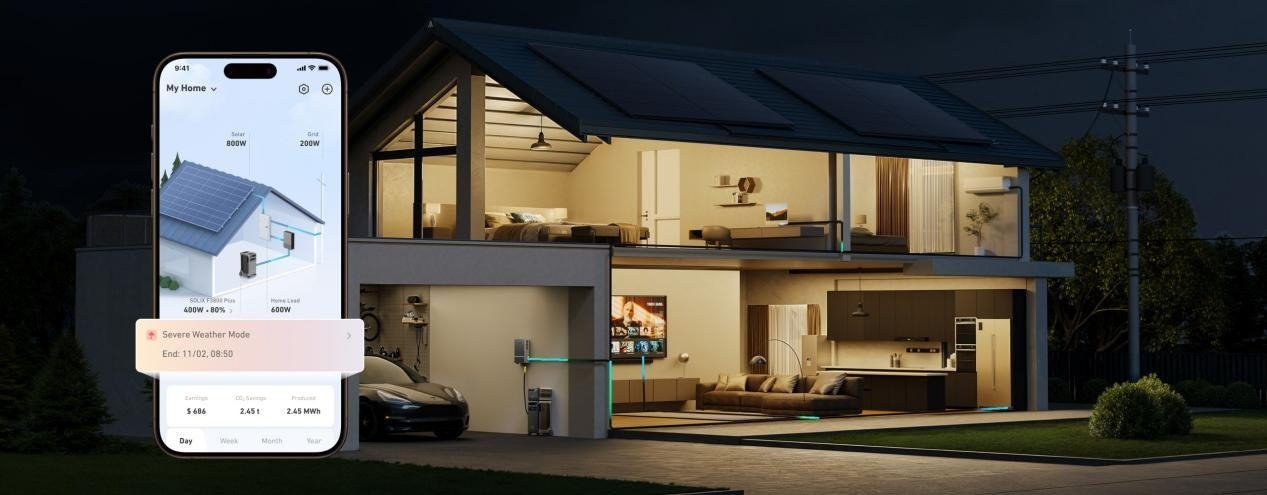
As users learn how temperature influences performance, their power-use habits evolve. They start reserving heavy-load tasks for mild periods and reduce simultaneous loads during heat waves to reduce stress on the system. In winter, they often stage device startups to avoid high peak draws. This behavioral adaptation improves available runtime and helps minimize unexpected drops in output. Advanced systems provide additional help by offering remote monitoring. Through the Anker app, users can check consumption patterns, battery temperature, or discharge progress, making it easier to adjust usage during travel, outdoor work, or severe weather. Climate awareness becomes part of responsible ownership as a result.
Conclusion
Temperature plays a measurable role in how power stations perform. Cold slows reactions, heat stresses components, and rapid fluctuations shape battery response and charging behavior. Users who understand these dynamics take simple steps—better placement, smarter charging times, and season-aware usage—to maintain dependable performance in every environment. Modern systems, including portable power stations like the Anker SOLIX F3800 Plus Portable Power Station, support these habits by offering flexible input options, remote monitoring, and durable battery management. When combined with thoughtful planning, these features help ensure that a power station remains reliable whether the day brings freezing air, scorching sun, or unpredictable weather transitions.