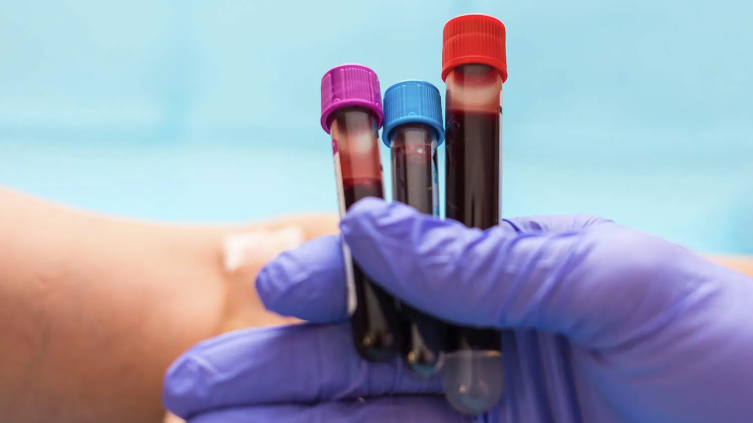
Blood transfusions are a critical aspect of medical care, allowing patients to receive essential blood components during surgery, trauma, or illness. One vital component of safe transfusions is the blood transfusion filter, which ensures that blood products are free of clots, debris, and other contaminants. Proper understanding and use of these filters are essential for patient safety.
What is a Blood Transfusion Filter?
A blood transfusion filter is a specialized device attached to IV lines or transfusion sets that removes unwanted particles from blood before it enters the patient’s circulation. These filters prevent complications such as embolism, infections, and adverse reactions.
Components of a Blood Transfusion Filter
- Filter Membrane: Captures clots, debris, and cellular aggregates.
- Housing: Encases the filter membrane and allows easy connection to tubing.
- Connectors: Attach the filter securely to the IV or transfusion set.
- Drip Chamber: Monitors blood flow and helps prevent air bubbles.
For further guidance, healthcare professionals can refer to blood transfusion filter resources.
Types of Blood Transfusion Filters
Standard Filters
Designed to remove larger clots and debris from blood products, suitable for most transfusions.
Microaggregate Filters
These filters remove microaggregates, small particles, and cellular debris to prevent embolism in sensitive patients.
Leukocyte Reduction Filters
Leukocyte reduction filters remove white blood cells, reducing the risk of immune reactions and transfusion-related complications.
Specialized Filters
Some filters are designed for specific blood components such as platelets or plasma, ensuring optimal safety and efficacy.
Applications of Blood Transfusion Filters
- Red Blood Cell Transfusions: Prevents clots and debris from entering the bloodstream.
- Platelet and Plasma Transfusions: Maintains purity and reduces contamination.
- Surgical Procedures: Ensures safe blood administration during operations.
- Trauma Care: Provides filtered blood in emergencies to prevent complications.
- Long-Term Transfusion Therapy: Used in patients requiring repeated transfusions to maintain safety and reduce reactions.
Advantages of Blood Transfusion Filters
- Enhances patient safety by removing clots and debris.
- Reduces the risk of transfusion-related complications.
- Ensures smooth and uninterrupted blood flow during transfusions.
- Compatible with most IV and transfusion sets.
See also: Why Cleaning Up a Messy Room Boosts Your Mental Health
Proper Handling and Maintenance
- Use aseptic technique when connecting the filter to the IV line or transfusion set.
- Inspect the filter for damage before use.
- Ensure proper orientation and secure connections to prevent leakage.
- Replace filters according to manufacturer instructions or hospital protocols.
- Monitor the patient closely for any signs of transfusion reaction.
Troubleshooting Common Issues
- Clogged Filter: Replace immediately if flow is obstructed.
- Leaks: Check all connectors and secure tubing properly.
- Air Bubbles: Prime the filter and tubing carefully to avoid air embolism.
- Patient Reactions: Monitor vital signs and stop transfusion if adverse effects occur.
FAQs About Blood Transfusion Filters
1. What is a blood transfusion filter used for?
A blood transfusion filter is used to remove clots, debris, and other impurities from blood products before they enter a patient’s bloodstream.
2. Are there different types of blood transfusion filters?
Yes, including standard filters, microaggregate filters, leukocyte reduction filters, and specialized filters for platelets or plasma.
3. How should blood transfusion filters be maintained?
Filters should be used with aseptic technique, checked for damage before use, and replaced according to hospital protocols to ensure safe transfusion.
Conclusion
Blood transfusion filters are a crucial component of safe blood administration, preventing clots, debris, and cellular contaminants from reaching the patient. Proper knowledge of filter types, applications, and maintenance ensures patient safety and enhances the effectiveness of transfusion therapy. For more detailed information, healthcare professionals can consult blood transfusion filter resources.