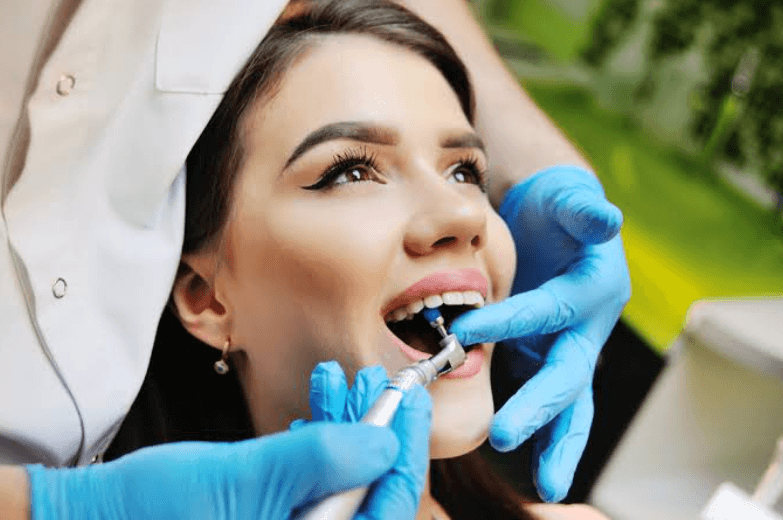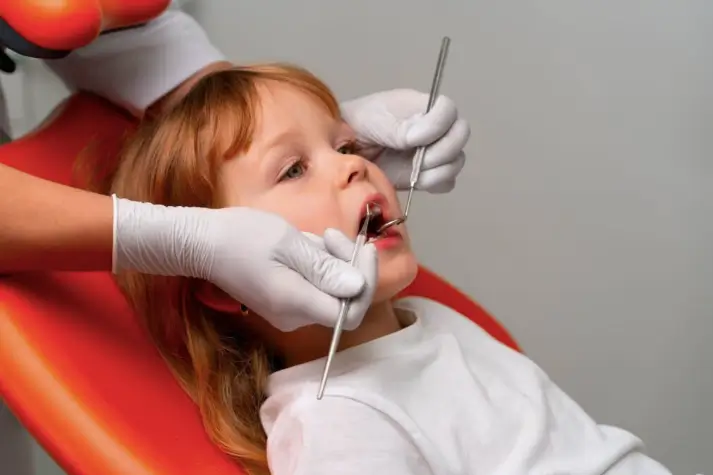
Your mouth tells the truth about your health. Bleeding gums, loose teeth, or constant bad breath often signal deeper problems in your body. You may brush and floss every day. Still, you need regular checkups and cleanings to stay ahead of the disease. Preventive dentistry protects more than your smile. It supports your heart, blood sugar, lungs, and even your mood. Routine visits help your dentist spot small changes before they turn into pain, infection, or costly treatment. Each exam, cleaning, and X-ray gives a clear picture of how your whole body is doing. A trusted dentist in Euless can track these signs and guide you with simple steps. You gain control. You reduce fear. You avoid emergencies. When you treat preventive care as basic health care, you protect your energy, your sleep, and your confidence every single day.
How Your Mouth Connects To Your Body
Gums and teeth link closely to your blood, nerves, and immune system. When germs build up on your teeth, they enter your bloodstream through weak or swollen gums. Then they travel. They can reach your heart, lungs, and other organs.
Research from the Centers for Disease Control and Prevention shows that gum disease often appears with diabetes, heart disease, and stroke. Poor oral health also affects pregnancy outcomes and breathing problems. Your mouth is not separate. It is part of one system.
Preventive dentistry cuts this chain early. Cleanings remove the sticky film that holds germs. Exams find small pockets of infection. Simple treatment then protects your body from a constant flow of germs and swelling.
Common Oral Problems And What They Signal
You may notice small mouth changes and ignore them. Still, these changes often point to deeper issues.
- Bleeding gums can signal gum disease or poor blood sugar control.
- Dry mouth can signal side effects from common medicines.
- Loose teeth can signal bone loss or advanced gum disease.
- Frequent mouth sores can signal stress or immune problems.
- Bad breath that does not go away can signal infection or stomach issues.
Regular checkups let your dentist connect these signs. Then you can discuss them with your doctor. Together, you protect your health from two sides. You avoid guesswork and long delays.
What Preventive Dentistry Includes
Preventive care is simple. It focuses on three main steps that repeat over time.
- Daily home care. Brushing twice a day with fluoride toothpaste. Flossing once a day. Using a soft brush to protect your gums.
- Routine office visits. Exams, cleanings, and X-rays based on your risk level. Tracking changes from visit to visit.
- Targeted protection. Fluoride treatments, sealants for children, and mouth guards for sports or night grinding.
Guidance from the National Institute of Dental and Craniofacial Research supports these steps for both children and adults. Simple habits, repeated over time, save you from pain and heavy treatment.
Preventive Visits Versus Emergency Visits
Many people wait for pain before they call. By then, damage often runs deep. Preventive visits feel calm. Emergency visits feel rushed and draining.
| Type of visit | Typical reason | Usual treatment | Impact on your life |
|---|---|---|---|
| Preventive visit | Routine checkup and cleaning | Cleaning, exam, X-rays, simple advice | Short visit. Low stress. Lower long-term cost. |
| Early treatment visit | Small cavity or mild gum issue found early | Small filling or deep cleaning | Quick fix. You return to normal life fast. |
| Emergency visit | Severe pain, swelling, or broken tooth | Root canal, extraction, stronger medicines | High stress. Missed work or school. Higher cost. |
You choose which pattern you follow. Regular checkups shift you toward short, calm visits. Waiting shifts you toward fear and rushed choices.
How Preventive Dentistry Supports Your Everyday Life
Healthy teeth and gums help you eat, speak, and sleep without struggle. When your mouth hurts, you may avoid crunchy fruits, meats, or whole grains. Then your body misses key nutrients. Over time, this weakens your immune system and energy.
Good oral health also supports clear speech and a steady mood. You smile without hiding your teeth. You speak in groups without fear of bad breath. Children who feel safe with their smiles often take part more in class and play. Adults often feel steadier in work and social life.
Sleep also improves when mouth issues stay under control. Untreated gum disease and tooth pain can wake you at night. Jaw grinding can cause headaches and sore muscles. Preventive care spots these patterns and gives simple tools to protect your sleep.
See also: Pedicure Chairs and Salon Hygiene: Meeting Health Department Standards
Preventive Dentistry Across Life Stages
Your needs change as your body changes. Still, preventive care remains important from early childhood through older age.
- Children. Early visits teach calm habits. Sealants and fluoride protect new teeth. Parents learn how to guide brushing and snacks.
- Teens and young adults. Sports, braces, and new freedom raise risks. Custom mouth guards and honest talks about tobacco and sugar help.
- Adults. Work stress, medicines, and health changes affect gums and teeth. Routine visits track shifts in blood pressure, blood sugar, and wear.
- Older adults. Dry mouth, bone loss, and complex medicines need close watch. Dentures and implants also need regular care.
At every stage, preventive care respects your time and your budget. You spend small amounts now to avoid heavy procedures later.
Taking Your Next Step
You do not need a perfect history to start. Even if you have avoided the dentist for years, you can choose one simple step today.
- Set a date for a checkup and cleaning.
- Commit to brushing twice a day and flossing once.
- Cut down on sugary drinks between meals.
These three actions give you real progress. Your dentist then builds on them. Together you protect your teeth, your body, and your peace of mind. Each routine visit becomes proof that you are guarding your health before a crisis hits.